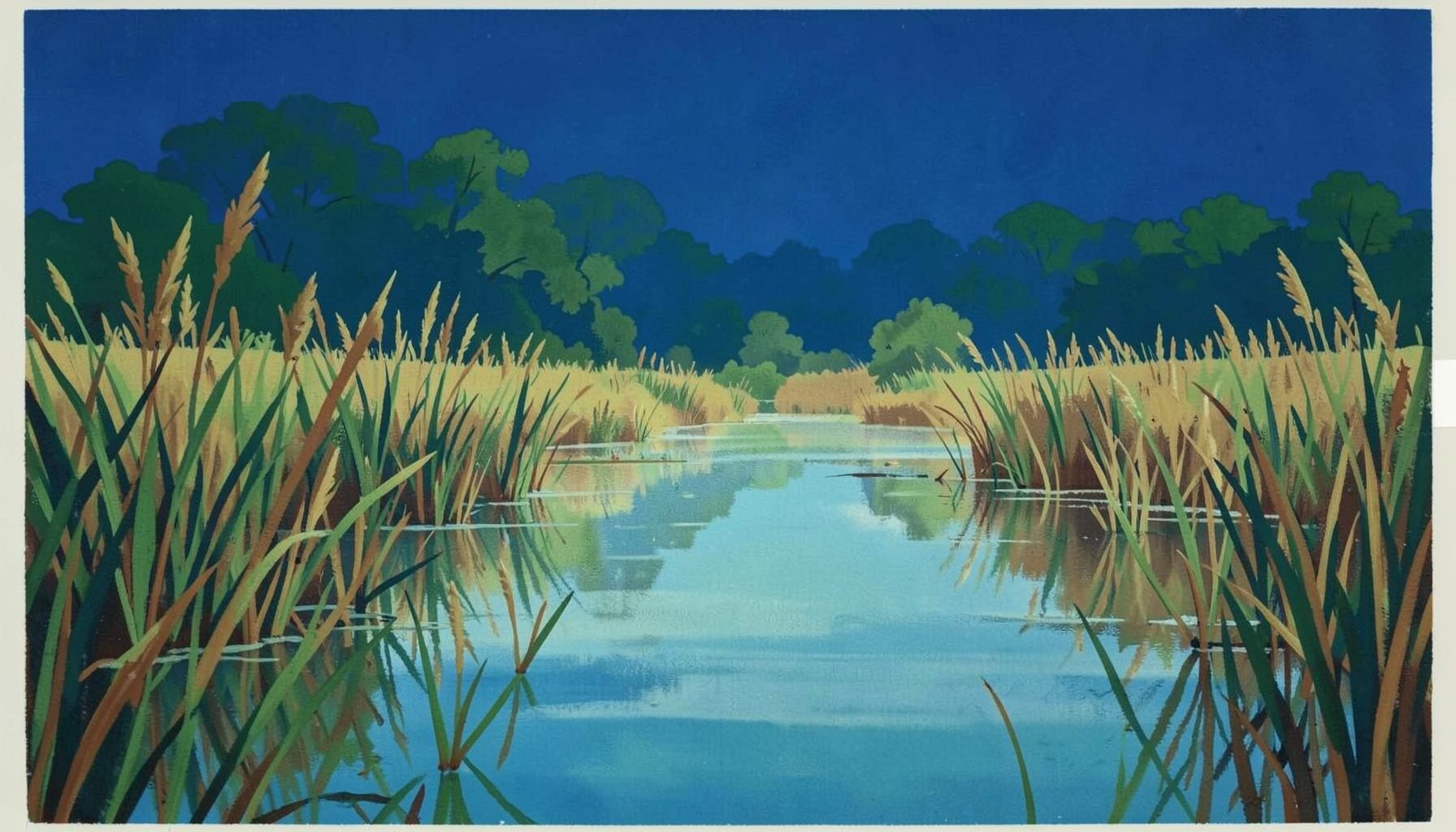
Closing the loop on water and nutrients
Ecological sanitation treats wastewater as a resource rather than waste. DWC selects and integrates technologies that recover water, nutrients, and energy, supporting decentralized systems that work with natural processes instead of against them.
By avoiding fossil-fuel-dependent treatment methods, these solutions remain viable and affordable over the long term — especially in regions where conventional infrastructure is impractical or too costly.
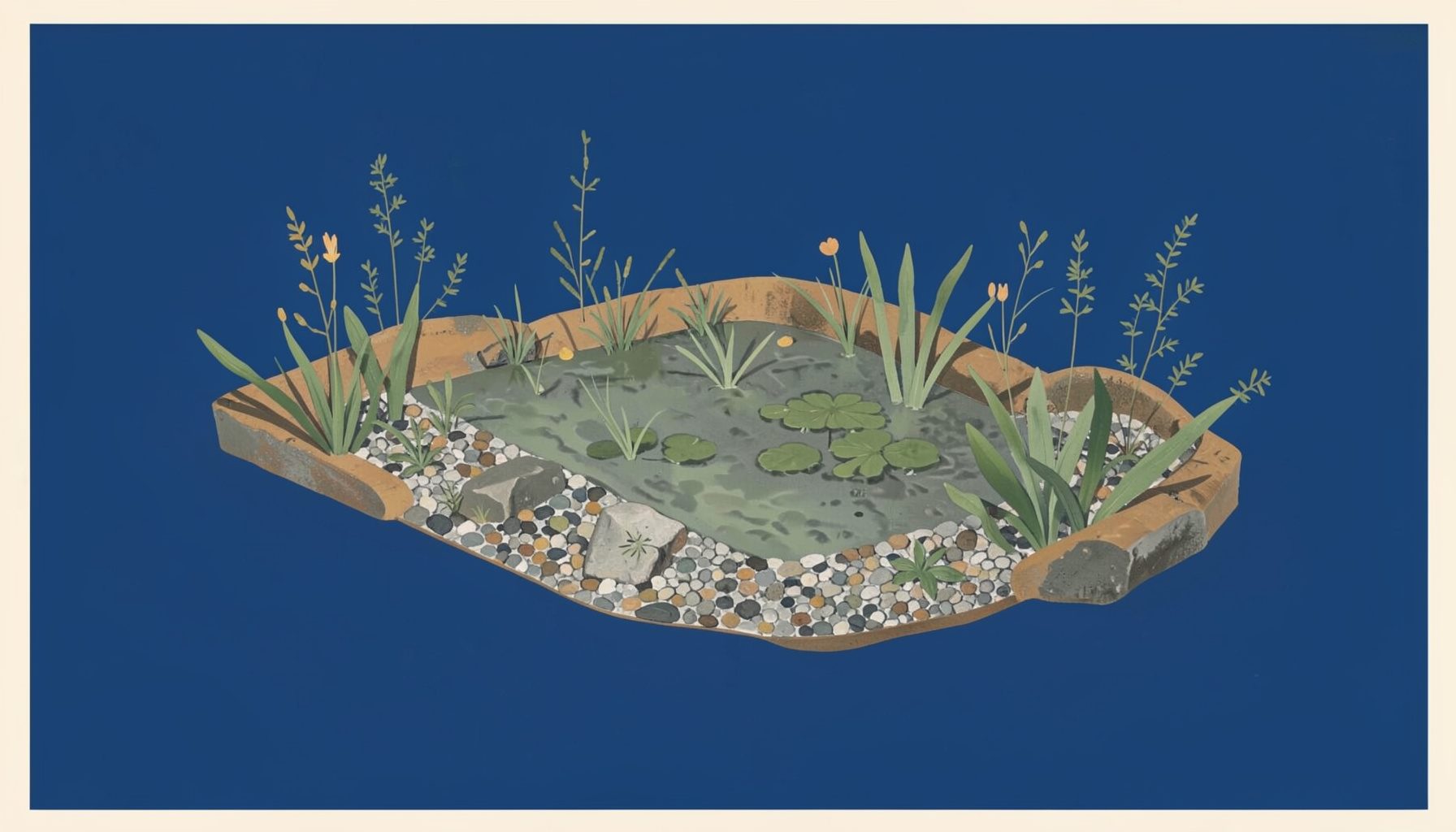
Core sanitation services
DWC provides end-to-end support for ecological sanitation projects, from initial analysis through to ongoing operation.
Wastewater treatment
Selection and installation of appropriate treatment processes tailored to local conditions and resource availability.
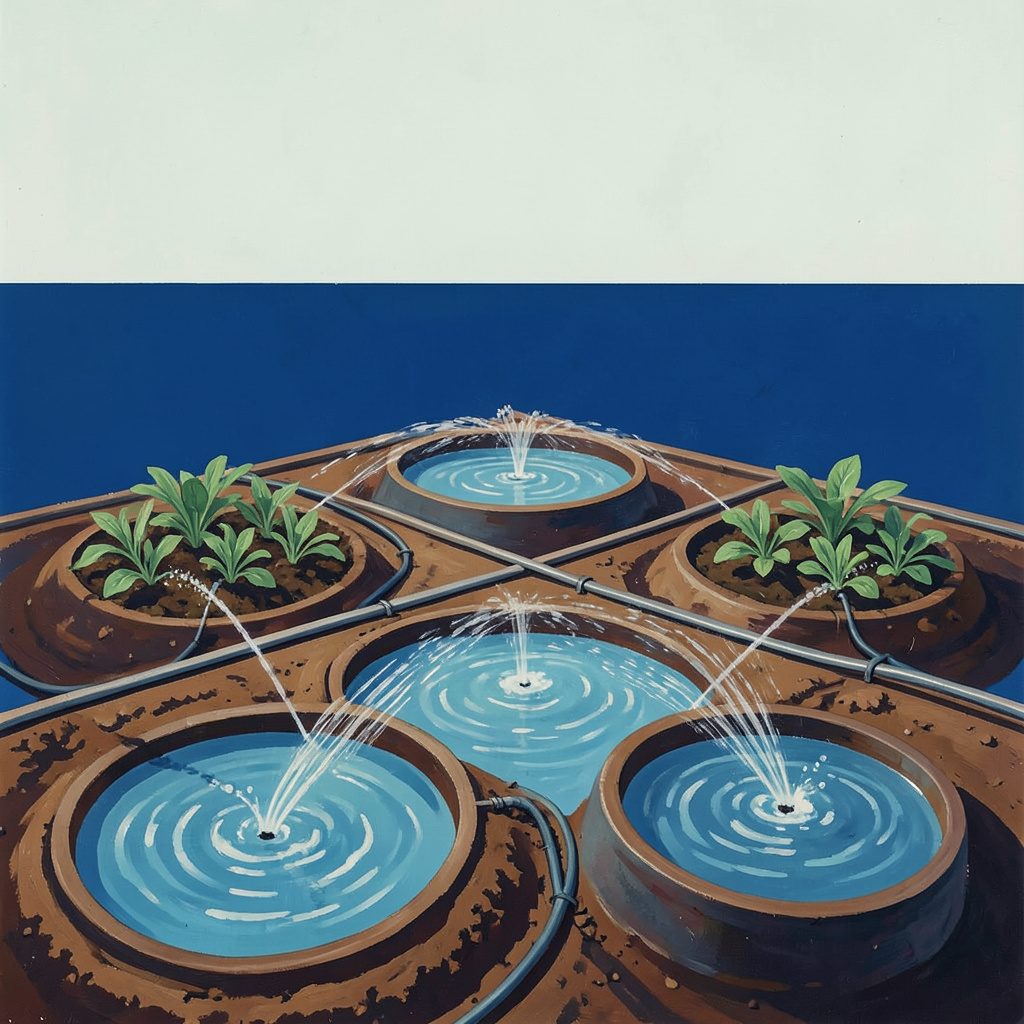
Water re-usage
Systems that safely reclaim treated water for irrigation, groundwater recharge, and other non-potable applications.

Ecological methods
Dry sanitation, composting toilets, and constructed wetlands that minimize water use and recover valuable nutrients.
Sustainable, long-term solutions
Every ecological sanitation project DWC undertakes is evaluated for its long-term viability. Technology choices are guided by the principle that truly sustainable systems must function without ongoing fossil-fuel inputs. This means lower running costs, greater resilience, and a smaller environmental footprint over the full lifecycle of the installation.
Social integration is equally important: DWC works alongside local operators and communities to ensure that sanitation infrastructure is understood, accepted, and maintained well beyond the initial setup phase.
Ecological sanitation reimagines how communities handle wastewater by treating it as a valuable resource rather than a problem to discard. DWC-Water focuses on closing the loop on water and nutrients, selecting technologies that recover these elements for reuse in agriculture and landscaping. This approach works with natural processes, supporting decentralized systems that remain functional without relying on fossil fuels. By avoiding energy-intensive treatment methods, these solutions stay affordable and environmentally sound over the long term. The result is a sustainable cycle that protects local water sources, reduces pollution, and returns nutrients to the soil, all while minimizing the carbon footprint of sanitation infrastructure.
Decentralized ecological sanitation systems offer particular advantages for communities seeking independence from large-scale, centralized treatment plants. These systems can be tailored to local conditions, using less energy and requiring simpler maintenance than conventional alternatives. DWC-Water integrates technical solutions that recover water for irrigation, capture nutrients for fertilizer, and even generate energy from organic matter. This integrated approach reduces running costs and creates multiple benefits from a single investment. Communities gain reliable sanitation services while also producing resources that support local food production and reduce dependence on external inputs, making the entire system more resilient and self-sufficient over time.
The long-term viability of ecological sanitation depends on careful planning, capacity building, and ongoing support. DWC-Water provides consultancy and analysis to help communities select the right combination of technologies for their specific context. Training programs ensure that local operators understand how to maintain and optimize these systems, while ongoing services keep them running efficiently year after year. This holistic approach recognizes that sustainable sanitation is not just about installing hardware, but about building local knowledge and commitment. When communities understand and take ownership of their sanitation systems, the environmental and social benefits endure for generations, creating lasting positive change without ongoing external intervention.
Discuss your sanitation project
Contact Oliver Kopsch and the DWC team to explore ecological sanitation options suited to your context.
Get in touch